


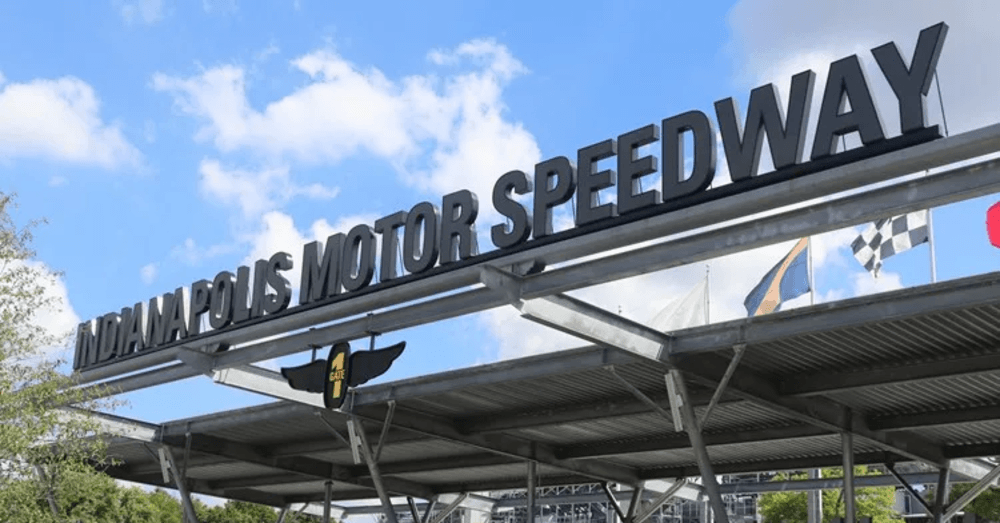
An Indy 500 weekend stunt has landed a 69-year-old in serious trouble after police say he flashed a counterfeit sheriff’s badge to talk his way into the Indianapolis Motor Speedway, walked the grounds like he belonged there, and then sealed his own fate by showing up to retrieve his towed pickup.
- Police say the suspect used a fake badge bought online to slip past IMS security on two separate occasions during race season.
- The scheme unraveled when he returned to claim a tow-away violation, with the bogus credential still on him.
- He now faces felony charges tied to impersonating a public servant.
How a Race-Day Ruse Came Apart
According to investigators, the man from Carmel, Indiana, drove up to the Indianapolis Motor Speedway during the lead-up to this year’s Indy 500 and flashed what looked like a legitimate sheriff’s badge. Security waved him in. He reportedly pulled the same move a second time, parking on speedway property as though he had every right to be there.
The problem? His pickup truck got towed for being parked in a restricted area. When he came back to track down his missing vehicle, IMS staff and law enforcement started asking questions he couldn’t answer convincingly.
Officers say they recovered the fake badge, which the suspect admitted he had ordered off the internet. He told investigators he used it to get past credentialed entry points so he could roam the grounds during one of the busiest stretches of the racing calendar.
What the Charges Look Like
Indiana takes a dim view of civilians pretending to be cops. False impersonation of a public servant can be charged as a felony in the state, especially when someone uses the act to gain access to a place or benefit they wouldn’t otherwise get. In this case, prosecutors allege the man did exactly that, slipping into a secured venue while sporting fake police gear.
The Indianapolis Motor Speedway sees more than 300,000 visitors on race day alone, and security is layered. Credentialed media, drivers, crews, owners, sponsors, and law enforcement all move through controlled checkpoints. Flashing a badge is one of the quicker ways past a guard, which is exactly why pretending to be law enforcement is a felony in the first place.
Online Badges Are Easier to Buy Than You’d Think
Authentic-looking sheriff’s stars, marshal shields, and even federal-style credentials are widely available on auction sites and novelty shops. Many are marketed as collectibles, prop pieces, or costume gear, but they can fool a casual glance, particularly in a busy crowd. Federal law restricts the sale of certain official insignia, and Indiana statute makes wearing or displaying a counterfeit law enforcement badge with intent to deceive a chargeable offense.
Investigators didn’t say which specific online seller the suspect used, but the badge reportedly looked convincing enough to get him past speedway gates on more than one occasion. That’s a problem security experts have flagged for years at large public venues, where one quick glimpse of metal can be enough to bypass a checkpoint.
A Costly Detour for a Free Look at the Track
What started as a way to skip ticket lines turned into a courthouse appointment. The man now faces potential felony charges, a tow bill, and the kind of headlines you can’t outrun in a small community. Court records will determine what comes next, but a conviction for impersonating a public servant in Indiana can carry prison time, fines, and a permanent criminal record.
For an Indy 500 fan who reportedly just wanted to wander around the Brickyard, it’s a steep price for a stroll past the pagoda. The episode is also a reminder for venue operators. A quick second look at any badge, especially one that doesn’t match a familiar agency, can stop this kind of stunt before it ever gets through the gate.
Lessons From the Pagoda Parking Lot
The case underscores two things at once. First, Indy 500 security is layered enough that even a successful sneak-in can fall apart when a towed truck enters the picture. Second, those novelty badges floating around online aren’t harmless props once someone uses them to lie their way past a checkpoint. Indiana courts will sort out the penalty, but the story has already cost the suspect his anonymity and probably his next race ticket.